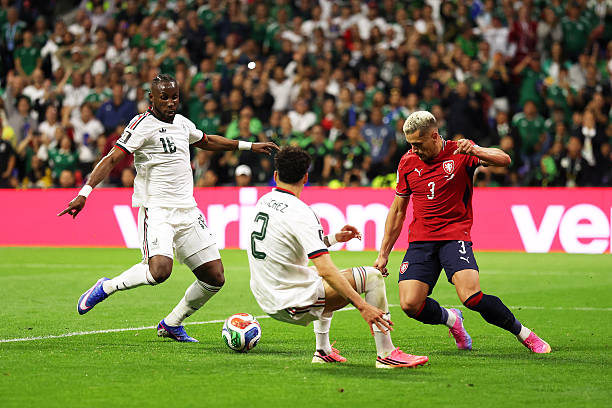
You watch a centre-back put his studs on the ball for half a second, and the whole match seems to pause. The striker edges left. A midfielder drops between the defenders. The full-back is suddenly not on the touchline anymore, which still looks wrong if you grew up watching older soccer. Then the pass goes sideways, not forward, and someone near you groans. But that pass is doing more than it looks like.
The first pass stopped being boring
Modern attacks often start with the goalkeeper or the deepest defender, and honestly, that still annoys some people. They want the ball moved quickly into the final third. Fair enough. Watching four passes across the back line can feel like nothing is happening.
Goalkeepers became part of the shape
The keeper used to feel like the emergency option. Now, you’ll notice teams using them almost like an extra centre-back, especially when the opponent presses with two forwards. A simple pass to the goalkeeper can pull one attacker out of line, and suddenly the spare player is somewhere else.
That sounds small.
Centre-backs don’t just clear it anymore
A centre-back stepping forward with the ball changes the whole picture. Not always dramatically, either. Sometimes he carries it five yards, waits for a midfielder to move, and then slips a pass into someone’s back foot.
The funny thing is, the pass itself may look ordinary. The movement before it was the real trick. If you’ve ever watched a team invite pressure, then escape with one clean vertical pass, you know the little burst of satisfaction it gives.
The six-space obsession
People talk about zones now as if everyone has a tactics board in their living room. Half-spaces, rest defence, third-man runs — the language can get a bit much. Still, those ideas explain why attacks look less like random waves and more like arranged traps.
A player doesn’t just stand wide to receive. He stands wide so someone else can move inside.
Width got stranger than it used to be
Old attacking width was easier to understand. Wingers hugged the line, full-backs overlapped, crosses came in. You could read it quickly. Modern width has become weirder, not exactly better in every match, but definitely more layered.
The winger waits, then doesn’t
A winger might spend ten minutes barely touching the ball. Then one switch of play arrives, and suddenly the whole defensive block has to sprint across the pitch. That delay matters. The player staying wide isn’t absent from the attack; he is stretching it.
If you follow live match pages like ดูบอลสด, you’ll sometimes notice the scoreline tells you almost nothing about which team is quietly pinning the other side back.
Full-backs started wandering inside
The inverted full-back still feels odd to some people, for whatever reason. Maybe because the position name says one thing and the player does another. You expect him outside. He walks into midfield instead.
And once he does that, the midfield line changes without a substitution. The winger can stay high, the defensive midfielder has support, and the centre-backs are not left alone if possession breaks down. A boring positional tweak, on paper. On the pitch, it can tilt everything.
Crosses didn’t disappear, they got delayed
You still get crosses, of course. They just arrive after more manipulation. A team might move the ball across the back, into midfield, back outside, then into the box from a cutback rather than a hopeful swing from deep.
That cutback to the penalty spot has become almost its own little genre of goal.
Pressing changed attacking as much as defending
People usually talk about pressing as defensive work. Win it back. Harass the centre-back. Force mistakes. All true, sort of. But pressing has also changed how teams build attacks, because every attacking move now has to think about the moment after losing the ball.
Attacks are built with the counterattack in mind
A modern team can attack with five players and still look cautious. That sounds contradictory until you notice the players behind the ball. Two centre-backs spread wide. A midfielder staying central. Maybe that wandering full-back tucked nearby.
They are attacking, yes, but also preparing for the mess.
The best pass might be the one that protects you
At some point, you stop judging every pass by whether it goes forward. A sideways pass can move the press. A backward pass can reset the angle. A pass into feet, instead of space, can keep the next player from being smashed on the turn.
Not thrilling, maybe. Useful.
Why some slow attacks are actually aggressive
A team holding the ball for a long spell can look passive. Sometimes it is. Other times, they are making the opponent defend tiny decisions again and again. Step out or stay? Follow the runner or guard the lane? Leave the winger alone?
That wears on a back line in a different way.
The part that still feels unfinished
I don’t think modern attacking has made soccer automatically better to watch. Some matches feel over-coached, like every risky touch has been quietly discouraged before kickoff. You can admire the spacing and still miss the player who just dribbles because he feels like it.
But the smarter build-up patterns have changed what we even notice. You start watching the player who does not receive the ball. You notice the midfielder checking his shoulder twice before the pass arrives. You see a full-back standing in a place that looks wrong, then five seconds later it makes sense when you think about it.
Maybe that is the real shift. Attacks are no longer only about the final pass or the shot. They are built from tiny positional choices that happen much earlier, sometimes near the goalkeeper, sometimes in a dead-looking sideways exchange.
Modern teams have made the beginning of an attack feel almost as important as the end. I’m still not sure that always makes the game more fun. But once you notice it, you can’t really go back to watching the ball alone.