
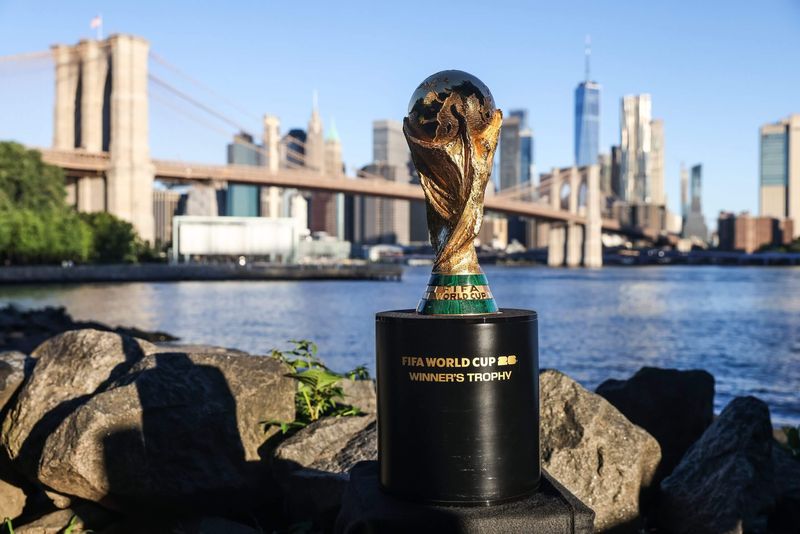
The group stage is done. Thirty-six matches across twelve groups, played in summer heat across sixteen venues in three countries, have separated the 48 teams that arrived in North America from the 32 that advance. The bracket is set. The Round of 32 begins on July 1 with the USMNT facing Bosnia and Herzegovina in Santa Clara, Spain and France targeting the later rounds from positions of strength, and every surviving team now navigating the specific physical challenge that the knockout stage of a World Cup presents: performing at the highest level every four days, across an elimination format where there is no recovery from a bad performance.
The group stage was demanding. A team that played three games in twelve days absorbed more collective physical load than most competitive weeks in a club season. The knockout stage is different. The stakes are absolute, the opponents are the best 32 nations left in the tournament, and the compression between matches means that the recovery window between the Round of 32 and the quarterfinal is somewhere between three and five days depending on scheduling. What happens in those windows determines how much of the physical quality built over months of preparation is available when the match matters most.
What the World Cup Format Does to a Squad
The 2026 World Cup expanded to 48 teams and a new Round of 32 format, which means the teams that advance deepest are going to play eight matches over five weeks to win it. That is a competition volume that has no real equivalent in club football, where a Champions League winning campaign unfolds over nine months of interspersed fixtures. The World Cup condenses everything into a single extended sprint, and the physical management of squads across that sprint is one of the most consequential variables in determining who lifts the trophy at MetLife Stadium on July 19.
Summer football in the United States creates environmental conditions that European and South American players do not routinely face. The heat and humidity in venues like Miami, Houston, and Atlanta add a significant thermoregulatory cost to match output that players from northern European climates are managing without the acclimatisation that extended pre-tournament preparation would have provided. The hydration demands of playing at 30 degrees Celsius in high humidity are substantially different from those of a Champions League night in Manchester or Madrid, and the recovery requirement following those matches reflects it.
The squad rotation question that every World Cup manager faces in the group stage, how much to rest key players in low-stakes matches to preserve them for the knockout rounds, becomes most consequential in how it affects the physical state of the core players when the tournament enters its decisive phase. The Germany squad that lost to Ecuador in their final group game but advanced had already answered the rotation question. The sides that prioritised results in every group game may find their best players carrying more accumulated load into the knockout rounds than those whose managers managed minutes more deliberately.
The Nutritional Variable That Decides Knockout Stage Fatigue
At the World Cup level, the talent differential between the surviving teams narrows considerably in the knockout rounds. The margins that separate outcomes are increasingly physical and mental rather than technical. A player who is carrying one week of incomplete recovery into a quarterfinal is not performing at the physical standard they showed in the group stage, and at World Cup level, that fraction of performance difference is often the difference between advancing and flying home.
The post-match nutrition window is the highest-return recovery intervention available in the compressed tournament schedule. Consuming high-quality beef protein powder within 45 minutes of the final whistle provides the amino acid profile that muscle protein synthesis requires when tissue is most receptive to repair. For a squad playing with three to five days between knockout matches, this window after each game is where the physical preparation for the next one begins. The teams whose support staff have standardised this protocol across the squad are building a small recovery advantage after each match that compounds across the tournament bracket.
Carbohydrate replenishment alongside protein is equally critical after a World Cup match, where glycogen depletion from 90-plus minutes of high-intensity play with potential extra time is substantial. The first two hours after a match are the window when glycogen synthesis occurs most rapidly, and the teams whose players are eating structured recovery meals rather than managing the post-match chaos of mixed zones and press conferences before eating are using that window more effectively.
What Research Shows About Tournament Football Recovery
A study published in the British Journal of Sports Medicine examining recovery in elite football players across multi-match competition periods found that protein intake timing was the most significant modifiable nutritional variable associated with physical performance in subsequent matches. Players who consumed protein within the immediate post-match window maintained sprint speed, jump height, and reactive movement capacity more completely in 72-hour follow-up testing compared to those who delayed intake. For World Cup squads managing four-day turnarounds in the knockout rounds, this is directly applicable data that the most prepared support staffs are already acting on.
The research also documented a compounding effect across multiple consecutive matches, with the recovery gap between those who addressed the post-match window consistently and those who did not widening with each successive game. A team on the right side of that gap entering a semifinal against a team on the wrong side of it has a physical advantage that no amount of tactical preparation can fully compensate for.
Managing the Heat: What Every Surviving Team Is Dealing With
The decision to hold the 2026 World Cup in summer across the southern United States created a heat management challenge that tournament organisers, teams, and players have been navigating throughout the group stage. Kick-off times have been adjusted and cooling breaks built into matches, but the ambient conditions in cities like Miami, Houston, and Dallas remain significantly more demanding than most of the competing nations train in regularly.
Heat acclimatisation takes time, and teams that arrived in North America with limited pre-tournament preparation in comparable conditions faced a physiological adjustment in their opening group matches. The sides that built heat acclimatisation into their pre-tournament camps, or whose players were already match-fit in warm conditions from domestic leagues, carry a physical advantage into the knockout rounds that the cooling breaks alone do not eliminate.
What the Final Weeks Will Reveal
The World Cup final is on July 19 at MetLife Stadium. The teams that play in it will have navigated eight matches across five weeks, managed squad fatigue across the compressed tournament schedule, and performed at the highest level on the biggest stages in the sport. The physical management behind that performance is invisible to the millions watching, but it is as responsible for the outcome as the tactics and the individual quality.
The heat therapy practices that World Cup support staffs are using in the recovery days between matches, cedar barrel sauna sessions and similar modalities built into the hotel recovery protocols of the best-prepared squads, address the specific circulatory and neuromuscular recovery demands of consecutive high-intensity match play in a way that passive rest alone cannot replicate. Two to three sessions of 15 to 20 minutes on the recovery days between knockout matches support the tissue repair that the previous match initiated and the physical preparation that the next one requires. The team that arrives at the final with the most physical quality preserved from the opening group match is not the one with the best genetics. It is the one with the best recovery system.