
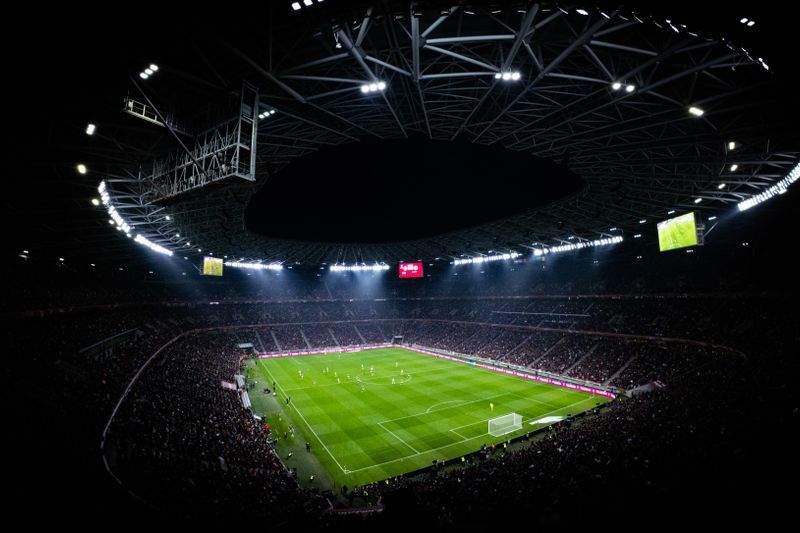
The FIFA World Cup knockout stage is where every match carries enormous significance. Teams no longer have the opportunity to recover from a poor result, making every tactical decision, lineup change, and in-game adjustment more influential than during the group stage.
For soccer fans and bettors alike, this shift also changes how betting lines are created and how they move before kickoff. Understanding what shapes World Cup lines during the knockout rounds helps fans interpret the market more effectively.
Rather than focusing solely on which team is favored, successful analysis considers form, injuries, tactical styles, and the fact that single-elimination matches often produce different outcomes than group-stage contests. Learning how these factors influence betting markets can provide a clearer perspective throughout the tournament.
How Knockout Matches Change Betting Markets
World Cup knockout matches create a very different betting environment from the group stage. Every fixture has a definitive outcome, whether through regular time, extra time, or penalty kicks. Because of this format, sportsbooks evaluate matches using more than recent results. They also consider how each team performs under pressure and whether its playing style suits elimination soccer.
The quality of the opposition also becomes much more important. A team that comfortably advanced through a favorable group may face a completely different challenge against a tournament favorite. Bettors often compare group stage statistics without considering the strength of previous opponents, which can lead to misleading conclusions.
Another important factor is tactical conservatism. Coaches frequently prioritize defensive organization during knockout matches, especially when facing evenly matched opponents. This approach often influences moneylines, totals, and both teams to score markets.
Recognizing these tactical adjustments helps explain why betting markets sometimes appear more balanced than fans initially expect.
Reading Line Movement Before Kickoff
One of the most valuable skills during the knockout stage is learning why betting lines change. Opening odds reflect early expectations based on available information, but they rarely remain unchanged. As team news develops and betting activity increases, sportsbooks adjust prices to reflect new information and market demand.
Many bettors monitor movement throughout the week by reviewing FanDuel World Cup lines, for instance, instead of placing wagers immediately. A shift in the favorite’s price may result from confirmed injuries, expected lineup rotations, weather conditions, or significant betting volume rather than a sudden change in team quality.
Public perception also plays a meaningful role. Popular national teams often attract substantial betting interest regardless of recent performances. This additional support can influence line movement even when statistical models suggest a closer contest.
Comparing early and late prices helps bettors determine whether movement reflects meaningful football developments or simply increased public enthusiasm before kickoff.
Key Factors That Influence Knockout Stage Lines
Strong betting analysis begins long before kickoff. Rather than focusing only on recent scores, experienced fans evaluate several factors together. Knockout matches reward complete teams that can adapt when the game changes, making context far more valuable than isolated statistics.
Recent form remains important, but it should be viewed alongside the quality of opposition. A team that dominated weaker opponents may struggle against a side with greater defensive discipline or midfield control. Looking at expected goals, chances created, and chances conceded often provides a clearer picture than final scores alone.
Player availability can also reshape expectations. Injuries, suspensions, and fatigue become increasingly significant after several demanding matches in a short period. Coaches may need to adjust formations or rely on less experienced substitutes, changing how both teams approach the match.
Travel schedules and recovery time deserve attention as well. Teams with an extra day of rest often enter the knockout stage in better physical condition. Combined with tactical flexibility, these details frequently explain why betting lines move before major matches and why some favorites carry less confidence than their reputation alone suggests.
Looking Beyond the Favorite
Many fans naturally focus on the favored team, but knockout football regularly produces highly competitive matches regardless of pregame expectations. Evaluating both sides equally creates a more balanced understanding of the betting market.
Defensive structure often becomes the deciding factor in elimination matches. Teams that remain compact and limit high-quality chances can frustrate technically superior opponents. This explains why underdogs frequently stay competitive deep into matches, even when possession heavily favors the other side.
Set pieces also become increasingly influential. Corners and free kicks account for a meaningful percentage of goals during major international tournaments because organized defenses leave fewer opportunities from open play. A team with excellent aerial ability or well-rehearsed routines may present more value than overall rankings suggest.
It is equally important to understand how styles interact. A possession-based team may struggle against an opponent that excels at quick transitions, while a high-pressing side may create opportunities against defenders uncomfortable under pressure. Looking beyond reputation helps fans evaluate each matchup on its own merits rather than relying on tournament history alone.
Managing Expectations During Elimination Matches
One mistake during the knockout stage is assuming the stronger team will control every match. Elimination soccer often becomes cautious, with one set piece, counterattack, or defensive error changing the outcome.
It helps to study how teams respond to different match situations. Some sides improve when defending a narrow lead, while others create more chances after conceding possession. Extra time and penalties also matter because depth, experience, and goalkeeper quality can influence the final result.
Successful analysis means separating public opinion from actual matchup details. Popular national teams attract attention, but World Cup lines still respond to player availability, current form, and tactical fit.
Following the Tournament With Greater Confidence
The World Cup knockout stage brings together the strongest teams in international soccer, making every match a unique tactical contest. Betting lines reflect far more than recent victories, incorporating player availability, coaching decisions, tactical matchups, market activity, and the evolving story of the tournament itself.
Fans who take time to understand these influences gain a clearer perspective on each match before kickoff. Rather than reacting only to the favorite or the latest headlines, they can evaluate the broader context surrounding every fixture. This more complete approach makes following the knockout rounds more engaging while providing a deeper appreciation for how World Cup lines develop as the tournament moves toward the final.