
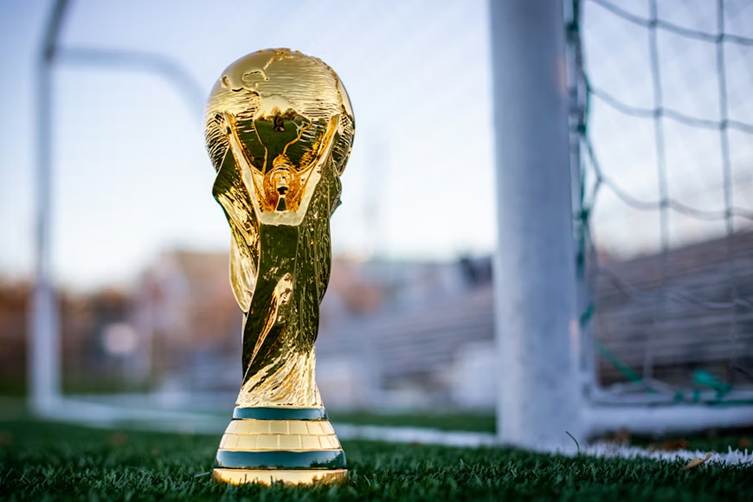
Hosting the FIFA World Cup is often described as one of the biggest opportunities a country can receive. The tournament attracts millions of visitors, generates worldwide media attention and can accelerate investment in infrastructure that benefits local communities long after the final whistle.
At the same time, hosting such a large sporting event requires enormous financial commitments. Governments, football associations and private investors typically spend billions on stadiums, transport networks, security and tourism facilities. Whether those investments deliver lasting economic value depends largely on how effectively they are planned and utilised after the tournament ends.
Tourism and Consumer Spending Drive Immediate Revenue
One of the most visible economic benefits of the World Cup is the increase in tourism. Supporters travel from around the world, filling hotels, restaurants, bars and local attractions throughout the tournament.
International visitors also contribute to consumer spending beyond football itself. Fans purchase merchandise, use public transport, attend cultural events and spend money across a wide range of businesses. Many also explore digital entertainment while travelling. Finnish supporters, for example, often continue using familiar online services and may search for uudet kasinot when looking for Finnish-language information during the tournament.
For host cities, this surge in spending can provide a significant short-term boost to local businesses and the hospitality sector.
Infrastructure Investment Creates Long-Term Opportunities
Preparing for the World Cup usually involves much more than building stadiums. Host nations often upgrade airports, rail connections, roads and public transport systems to accommodate large numbers of visitors.
These projects can leave a lasting legacy if they continue serving residents and businesses after the tournament has ended. Improved transport links may encourage tourism, attract investment and support regional economic development for years to come.
However, the long-term success of these investments depends on careful planning. Stadiums that lack sustainable post-tournament use can become expensive assets to maintain, placing ongoing financial pressure on local authorities.
Global Exposure Extends Beyond Football
The FIFA World Cup is watched by billions of people worldwide, giving host nations an opportunity to showcase their culture, tourism industry and business environment to a global audience.
Positive international exposure can strengthen a country’s reputation as a travel destination while encouraging foreign investment and future international events. Cities that successfully host major tournaments often benefit from increased recognition that continues well beyond the competition itself.
For many governments, these intangible benefits are considered just as valuable as the direct financial returns generated during the tournament.
Measuring Success Requires a Long-Term Perspective
The financial impact of the FIFA World Cup cannot be measured solely by ticket sales or visitor numbers during the competition. The true value often becomes clear only years later, when economists assess tourism growth, infrastructure usage and broader economic development.
Some host nations have successfully transformed World Cup investments into long-term assets, while others have struggled to justify the costs. As a result, careful planning, realistic budgeting and sustainable development remain essential factors in determining whether hosting football’s biggest tournament becomes an economic success.