
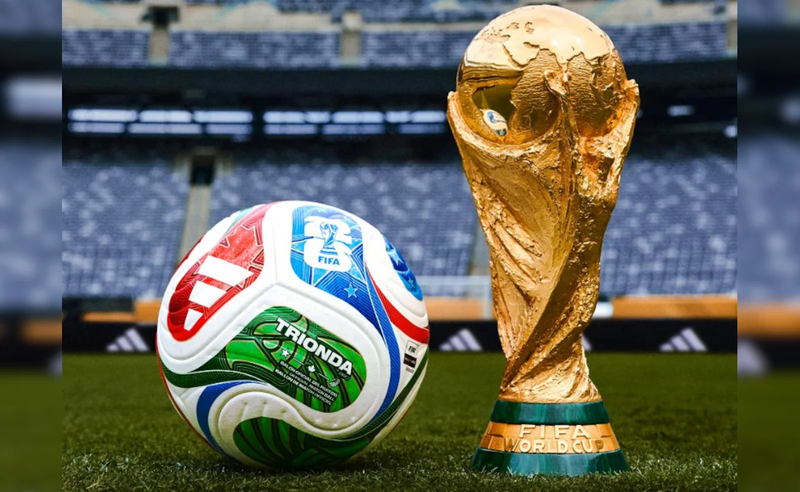
The group stage is barely a day old, and already the 2026 World Cup feels like something the entire country is leaning into. The opening fixtures rolled out this weekend, the bracket math is starting to take shape, and fans are circling the matchups that matter most as the tournament climbs toward the Round of 32 in early July. With games spread across the United States, Canada, and Mexico, following along has never been easier – or, frankly, more overwhelming. There are so many ways to catch the action now that the bigger question isn’t whether you can watch, but how you want to experience it.
That shift in how people follow the sport has changed everything around the games, too. Alongside streams, highlight reels, and group-stage trackers, plenty of fans now keep an eye on the markets surrounding each match, and that’s where reviews of the best world cup betting sites come in handy for US-based supporters. These guides rank the offshore sportsbooks worth knowing for 2026, comparing welcome bonuses, the depth of available markets, live in-play options, and how their mobile apps actually perform during a packed fixture list. For an American audience weighing where to follow the odds on everything from match winners to Golden Ball props, that kind of side-by-side breakdown is a useful reference as the knockout rounds approach and the stakes rise.
How Watching Used to Work
Rewind to past tournaments and the picture looked very different. A generation ago, catching a World Cup match in the States meant arranging life around a single TV channel. If a game kicked off mid-morning on a weekday, fans either found a sympathetic boss, a bar willing to open early, or they missed it entirely and hunted for the score afterward. There was no pause button, no second screen, no clean way to rewind that controversial offside call.
Highlights were a next-day affair. You waited for the evening sports roundup or flipped through a newspaper to find out how Netherlands handled a tricky group opponent. The experience was communal but rigid – built around broadcast schedules that didn’t care whether you had a meeting at 10 a.m. For a country where soccer was still fighting for mainstream attention, that friction kept plenty of casual fans on the sidelines.
The Streaming-First Reality of 2026
Now the whole thing has flipped. The 2026 tournament arrives in an era where the match comes to the fan rather than the other way around. Live streams, on-demand replays, and bite-sized highlight clips mean a fixture like Netherlands vs. Japan can be watched live during lunch, rewatched in full that night, or boiled down to a three-minute reel on the train home.
For cord-cutters, the change has been especially freeing. Plenty of supporters no longer pay for a traditional cable package at all, and there are clear, practical breakdowns of watching without cable that walk through streaming options, free trials, and which services carry which matches. The takeaway is simple: missing a knockout game because of a subscription you don’t own is no longer an excuse.
Following the Action on the Move
The other big change is mobility. The modern fan rarely watches from one fixed spot. A quarterfinal might start while someone is at a backyard cookout, finish in a car ride, and get relived later on a phone in bed. Apps have made this seamless, syncing live scores, push alerts, and instant clips so that even a quick glance keeps you current.
The broadcast landscape itself has expanded dramatically, and the patchwork of deals behind it is worth understanding. The 2026 FIFA World Cup broadcasting rights are split across networks and languages, which is why one household might watch in English on one service while a neighbor follows the Spanish-language call on another. That variety is a gift for fans – more camera angles, more commentary styles, more flexibility – but it does mean a little planning pays off before the Round of 32 begins.
This is also where live betting and in-play markets have folded naturally into the viewing habit for those who follow them. Second-screen engagement – checking shifting odds, tracking a player prop, or watching a stat line move in real time – has become part of how a slice of the audience experiences the drama, all from the same device streaming the match. It mirrors the broader truth of 2026: the game is no longer something you simply sit and watch. It’s something you carry with you.
When the Tournament Comes to Your City
For the lucky fans heading to actual matches, the experience has evolved in its own way. Host cities have leaned hard into the spectacle, with fan zones, transit guides, and travel resources designed to handle the crush of visitors. New York and New Jersey, set to host the final on July 19, have rolled out detailed World Cup Ready: NYC travel information to help supporters navigate stadiums, public transport, and crowd flow on the biggest days.
That blend of in-person energy and digital convenience defines this tournament. A fan can stand in a packed fan zone, stream a replay of a goal that just happened, check the bracket, and message friends across the country – all in the same minute.
The Best Era Yet to Be a Fan
What stands out as the knockout rounds approach is how completely the barriers have fallen. The early-morning kickoff that once meant a missed game is now a clip waiting on your phone. The single-channel bottleneck has become a buffet of streams and languages. Wherever fans are in the States this summer, the 2026 World Cup is built to meet them there – and that, more than any single match, might be the real story of the tournament.