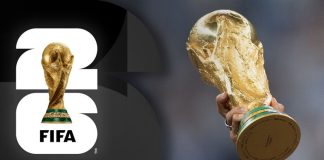

Football in 2026 has a different gravity than any season in recent memory, and any fan who has spent even a few hours scrolling fixture lists this spring can feel it. The 2026 FIFA World Cup is now weeks away rather than years away, and every domestic decision being made across the European top flights is being filtered through that lens. National team coaches are watching club minutes far more carefully than usual. Premier League managers are quietly trimming workload for players they know will be needed across the Atlantic in June. La Liga clubs are negotiating mid-season rests for international regulars in a way that would have been unthinkable in a non-World Cup year. The rhythm of the football calendar has shifted, and the storylines that matter most to a serious fan are no longer the same ones that dominated the conversation in 2024 or 2025.
The viewing experience has also evolved. The Champions League now operates under a new format that has reshaped how the league phase actually plays out, with broadcasting rights split across more platforms than ever before. The Premier League title race has been thrown back open by a manager carousel that included one of the more surprising hires in years. La Liga’s Real Madrid project has been quietly recalibrating in the background after a difficult run, and Major League Soccer has taken meaningful steps toward being a genuine destination league rather than a late-career stop. The piece that follows walks through the storylines a football fan in 2026 should actually be paying attention to, the broadcast and streaming context behind how those stories are being consumed, and what to expect as the season grinds toward the summer’s main event in North America.
Why the 2026 World Cup Already Reshapes Every Domestic Decision This Spring
A normal football season treats the international calendar as a series of interruptions. A World Cup season treats the domestic calendar as a runway. The 2026 tournament will be staged across the United States, Canada, and Mexico in June and July, and the lead-in months have already become a carefully managed window for the players most national federations expect to lean on. Premier League sides with multiple senior internationals are publishing internal rotation plans that look more like NBA load-management documents than traditional English football schedules. La Liga clubs with a strong Brazilian, Argentine, or African contingent are facing similar calls. The Bundesliga and Serie A are running the same calculations. The result is a strange mid-season texture where some of the most decorated names are getting visibly fewer minutes than they normally would, while younger squad players are being handed opportunities that will likely shape next season’s pecking order regardless of what happens in June. For a fan who pays close attention to lineup sheets, the 2026 spring window is genuinely one of the most interesting talent-rotation periods in recent football memory.
The New Champions League Format and How It Has Actually Played Out
The Champions League’s revised league-phase structure is now into its second full season, and the early concerns from purists have given way to a more nuanced view from supporters. Eight matches in the league phase rather than six, a single 36-team table rather than eight separate groups, and a playoff round between the league phase and the round of sixteen have all combined to create more genuinely competitive midweek fixtures and fewer dead rubbers. Real Madrid’s group-stage matches no longer feel like training exercises. Mid-tier clubs from leagues outside the top five have had real opportunities to push into the knockout stages on merit rather than via favourable group draws. The broadcasting picture has shifted in parallel. The total number of midweek fixtures has expanded, the windows for Tuesday and Wednesday night kickoffs are now stretched across a longer evening, and the rights packages have been split in ways that mean fans in many markets need more than one subscription to watch a full slate of European football.
That fragmentation has a quieter knock-on effect that is worth naming, because it shapes the editorial environment around the modern Champions League fan as much as the matches themselves. Once a fan has been chopped into a subscription bundle, the broadcasters and the sites that orbit them start treating that fan as an addressable adult-leisure demographic rather than a pure football reader, and the advertising sold against midweek football increasingly assumes the same person is moving across neighbouring consumer categories during the same evening. That is also the reason an editor covering this audience in 2026 ends up writing across categories that look unrelated to football on paper, from independent television and streaming reviews to consumer-leisure references such as Bonus.com’s real money slots guidance, simply because those categories sit inside the same wider ecosystem the rights deals are now built around.
The Premier League Manager Carousel and What It Means for the Title Race
The Premier League title race in the second half of 2025-26 has been reshaped by a series of managerial moves that few neutrals saw coming. The biggest of those was Chelsea’s mid-season decision to appoint a head coach with a Champions League pedigree, but the conversation about individual talent has not been crowded out. Records remain the lingua franca of football argument, and the European calendar this season has been quietly stacked with personal milestones. The Cristiano Ronaldo 2026 UCL milestones breakdown is a useful reference for anyone trying to keep track of how the career numbers have moved this year, with international caps, Champions League appearances, and tournament goal tallies all updating in real time against the rest of the all-time list. The reason this matters for the Premier League title race is that England’s top flight remains the league most likely to produce the next generation of record-chasers, and the managerial appointments being made now are partly bets on who can develop the next set of names that will dominate these conversations in the 2030s. The title race itself is genuinely open, with three sides separated by a handful of points at the time of writing and a back-loaded run-in that gives the chasing pack a real chance to overtake the early leader.
What the Chelsea Managerial Hire Actually Tells Us About 2026 Premier League Football
Chelsea’s decision to appoint Xabi Alonso mid-season is one of the more revealing moves in recent English football, because it speaks to a wider shift in how Premier League clubs are now thinking about head-coach succession. The ESPN FC tactical breakdown of Alonso walks through both the reasoning behind the hire and the difficulties that ended his Real Madrid spell, and the most useful takeaway for English football is the structural one. The Premier League is now confident enough in its own pulling power to recruit head coaches who were until recently considered destination-club appointments at the very top of European football. That confidence is reshaping the manager market across the division. Mid-table clubs are paying compensation fees that would have been unimaginable five seasons ago. The talent flowing into English dugouts at the assistant and analyst levels is on the same trajectory. The on-pitch consequence over the next eighteen months is a Premier League that looks tactically more diverse than at any point since the late 2010s, with positional play, high-press systems, and transition-based football all being deployed at credible levels by clubs across the table.
The MLS Rise, LaLiga’s Reset, and the Global Streaming Picture
Major League Soccer’s 2026 season has arrived with more credibility than any prior MLS campaign. The Inter Miami project has become a sustained sporting story rather than a single-player vehicle, the league’s spending environment has shifted upward in a way that has attracted genuine European-prime talent on multi-season deals, and the broadcast partnership that consolidated MLS into a single global streaming home has finally settled into something fans outside North America can navigate without a VPN. LaLiga in parallel is in a quieter phase. Real Madrid is rebuilding after a tactically uneven spell, Barcelona’s cycle around its current core is still producing high-quality football without the historic dominance the club used to expect, and Atletico Madrid has been quietly accumulating points without dominating headlines. The global streaming map is now more fragmented than it has been at any point in the modern broadcast era. Fans who want to watch a complete weekend across the Premier League, LaLiga, Bundesliga, Serie A, MLS, and the Champions League now routinely need three or four subscriptions, and the bundling conversation that dominated the late 2010s feels further away than it did three years ago.
Streaming Rights, Match-of-the-Day Habits, and How Fans Actually Watch Football in 2026
The way an average football fan watches the sport in 2026 looks meaningfully different from how they watched it in 2022. Linear broadcasting is still relevant in markets such as the United Kingdom, where the Match of the Day brand and the BBC’s wider football coverage retain real weekly habit, but the centre of gravity has shifted to streaming platforms with mobile-first apps. The midweek Champions League slate is consumed across multiple services. Premier League matches in international markets sit behind dedicated football subscriptions. La Liga’s English-language coverage has changed hands more than once in the past three years. The behaviour that has stayed constant is the social one. Fans still gather around the same fixtures, still argue about the same refereeing decisions in real time, and still treat the goal celebrations of their club’s biggest stars as cultural events. The platforms have changed; the underlying ritual of watching football together, even when the together is digital, has not.
What to Expect Between Now and the World Cup Final in July
The football calendar between now and the World Cup final in mid-July is unusually dense. The Champions League knockout rounds will conclude with a final at the end of May. The Premier League, LaLiga, Serie A, and Bundesliga seasons all have their own title races and relegation fights to settle in the final stretch. The FA Cup and Copa del Rey finals will close out their domestic competitions in parallel. National team friendlies will gradually replace club fixtures as June approaches, and the squads heading to the 2026 World Cup will be confirmed in a relatively compressed window. For fans the practical advice is to map out the broadcast picture early. Identify which services carry the late-stage Champions League. Confirm which platform holds the rights to your national team’s friendlies. Pencil in the dates of the warmup matches your favourite players will be involved in. A World Cup year rewards the supporters who plan their viewing schedule rather than the ones who try to catch the moments after they have already happened, and the 2026 calendar is going to be one of the more crowded slates in recent football history.