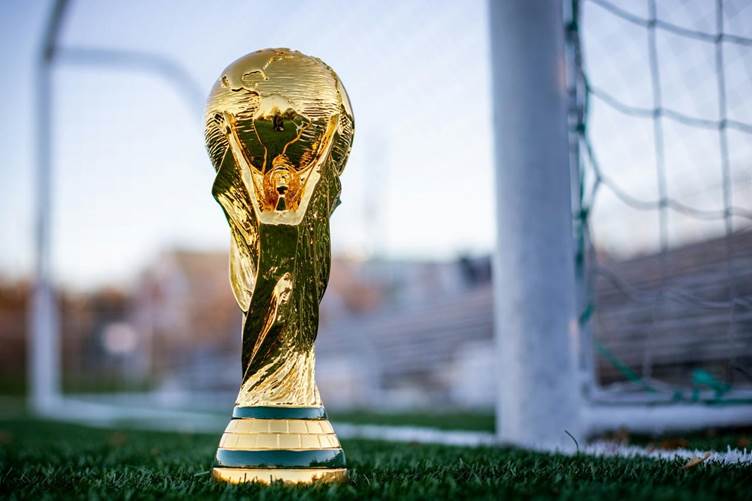
The FIFA World Cup remains one of the biggest sporting events in the world, attracting massive global audiences and attention far beyond the game itself. In 2026, the tournament will return to North America, with the United States co-hosting alongside Canada and Mexico, marking another major moment in the growth of soccer across the region. Fans can already follow the latest tournament updates on the official FIFA World Cup 2026 page.
As fans explore match previews, odds, and analysis, resources such as top sportsbook reviews have become part of how audiences follow major tournaments. For the United States, this World Cup is especially significant because a great deal has changed since the country last hosted the men’s tournament in 1994.
Back then, soccer was still fighting for mainstream recognition in the US. Today, the landscape looks completely different. From media coverage and fan culture to league structure and business influence, American soccer has evolved dramatically over the past three decades.
From the Big Four to a Bigger Sports Landscape
In the early 1990s, soccer was still outside the traditional American sports mainstream. The NFL, NBA, MLB, and NHL dominated the conversation, while soccer was often treated as a niche interest.
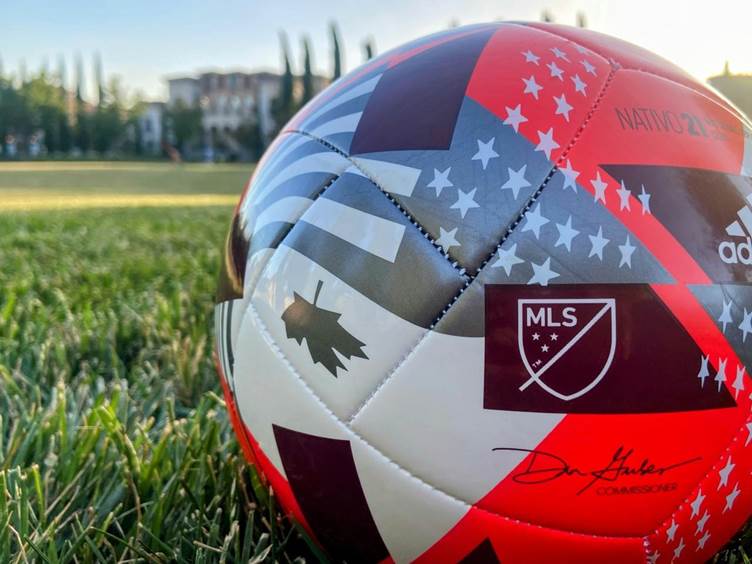
That began to change after the 1994 World Cup. One of the key long-term outcomes of hosting the tournament was the launch of Major League Soccer in 1996. MLS gave the United States a stable top-flight domestic competition and helped build the sport from the ground up.
It may still not rival the NFL or NBA in cultural power, but soccer is now firmly part of the national sports conversation. MLS has expanded, attendances have improved in many markets, and the sport now has a much stronger place in the media and commercial landscape than it did in 1994.
The Commercial Evolution of Soccer
Another major shift has been in the way the game is run and monetized. Earlier efforts to grow soccer in the US were often inconsistent, and the old NASL model struggled to balance ambition with long-term sustainability.
Modern soccer in the United States is far more structured. MLS has grown with a clearer business model, major investors, dedicated stadiums, sponsorship growth, and stronger commercial planning. American ownership and business influence are now visible across the global game, not just in the domestic market.
That approach has not pleased every traditional fan, especially those who dislike the sport becoming increasingly corporate. Still, there is little doubt that strong business infrastructure has played a major role in making soccer more stable and more visible in the US.
American Fans Know the Game
For years, American soccer fans were often mocked by overseas supporters, who saw them as casual observers with limited understanding of the sport. That stereotype has weakened considerably.
Today’s US soccer audience is far more informed, engaged, and globally connected. Fans follow the Premier League, Champions League, Liga MX, international tournaments, and MLS with real depth. Supporters’ groups have also become a defining part of the matchday experience, helping create a stronger football culture in many American cities.
There is still debate over terminology, style, and tradition, but the idea that US fans do not understand soccer is now outdated.
Media Coverage Has Been Transformed
One of the clearest differences between 1994 and today is access. In the past, soccer coverage in the US was limited, and watching international matches regularly was difficult. Domestic coverage was even more restricted before MLS arrived.
Now the sport is available almost everywhere. Fans can watch domestic and international soccer across broadcast television, cable, streaming platforms, and digital services. This easier access has helped grow the audience and deepen engagement across different age groups and markets.
Fans no longer have to search for the occasional match. They can now follow clubs, leagues, and competitions week after week, which has helped make soccer a more natural part of everyday sports culture in the US.
The Rise of the Women’s Game
No discussion of US soccer’s growth would be complete without mentioning the women’s game. In many ways, this is where the United States has had its greatest success.
The USWNT became a global force and helped drive mainstream interest in soccer through major tournament wins and iconic players. At club level, the domestic women’s game has also grown in visibility, professionalism, and support.
The popularity of the women’s national team has helped shape how soccer is viewed across the country and has inspired new generations of players and supporters.
A More Mature Soccer Nation
Perhaps the biggest change since 1994 is not just that soccer is more popular, but that the entire ecosystem is more mature.
There is now better youth development, more coaching infrastructure, more professional opportunities, and a stronger cultural connection to the game. Soccer is no longer seen as a fringe sport in the US. It is part of the mainstream, even if its place within the sports hierarchy remains different from older American leagues.
The 2026 World Cup Could Be Another Turning Point
The 1994 World Cup helped open the door for modern soccer in the United States. The 2026 edition may push that progress even further.
With more teams, more matches, and a much larger spotlight, the tournament will bring even more attention to the sport across North America. For the US, this is not just a chance to host again. It is a chance to build on three decades of progress and move the game into its next phase.
Soccer in America is no longer trying to prove it belongs. That argument has largely been settled. The real question now is how much bigger the sport can become after 2026.