

Football fans know that no match is ever completely predictable. A team can dominate possession and still lose to a single counterattack. A last-minute penalty can rewrite the story of 90 minutes. A substitute can become a hero with one touch. This unpredictability is part of why the sport captivates billions worldwide. It’s also why conversations around chance and probability naturally appear in football culture, sometimes even extending into discussions about gaming spaces, where topics like online roulette promotions and offers surface among broader digital-age entertainment habits.
At first glance, football and roulette belong to different worlds. One is a global sport built on skill, teamwork, and strategy. The other is a classic game of chance. Yet both revolve around anticipation, probability, and the emotional highs and lows that come with uncertain outcomes. Looking at their overlap can reveal interesting insights about how fans experience the game they love.
Football: A Game of Skill Touched by Chance
No serious analyst would claim football is random. Skill, tactics, conditioning, and preparation matter enormously. Coaches analyze opponents for hours. Players train for years. Clubs invest millions in scouting and development.
And yet, chance always plays a role. A deflected shot, a slippery pitch, a questionable refereeing decision, these moments can shift outcomes in ways no spreadsheet fully predicts. Even advanced metrics like expected goals (xG) deal in probabilities rather than certainties.
This blend of control and unpredictability is what makes football compelling. If results were guaranteed, there would be little drama. Fans tune in precisely because anything can happen.
Roulette operates on the same emotional principle, though through pure probability rather than athletic performance. The wheel spins, the ball drops, and suspense builds. In football, the “spin” might be a set piece in the final minutes. In both cases, the thrill lies in waiting for the outcome.
Why Fans Love Uncertainty
Sports psychologists often note that uncertainty increases emotional investment. When the result is unknown, every moment carries weight. Supporters stay glued to the screen because the story is still being written.
FIFA, as football’s global governing body, has repeatedly highlighted competitive balance as essential to the sport’s appeal. Tournaments are structured to keep matches meaningful and outcomes open. Underdog victories and surprise results are celebrated because they reinforce that unpredictability.
Roulette’s appeal works similarly. The uncertainty is the feature, not the flaw. The spin is quick, but the suspense is real. For football fans used to riding emotional swings during matches, it’s not surprising that games of chance hold a certain curiosity as well.
Probability on the Pitch
Modern football is increasingly data-driven. Analysts calculate passing networks, shot quality, pressing intensity, and win probabilities. Broadcasters display live stats predicting likely outcomes as matches unfold.
Yet these numbers never reach 100%. A team might have a 75% chance to win, but that still leaves room for surprise. In other words, probability guides expectations but never guarantees reality.
Roulette makes probability visible in a different way. The odds are fixed and transparent. A red or black bet in European roulette is nearly 50–50, minus the house edge. Football probabilities are more complex, influenced by countless variables. Still, both worlds teach the same lesson: probability informs, but it doesn’t promise.
The Drama of the Decisive Moment
Think about a penalty shootout. The stadium goes quiet. One player stands against one goalkeeper. Millions watch. The margins are tiny. Even the best players miss.
Researchers in sports psychology, including studies referenced by the International Journal of Sport and Exercise Psychology, have shown how pressure affects decision-making and performance. Anxiety, confidence, and mental fatigue all play roles in high-stakes moments.
Roulette condenses that feeling into seconds. The spin is brief, but the anticipation is similar. Humans are wired to feel suspense when outcomes matter, whether on a pitch or a wheel.
Fan Culture and Digital Leisure
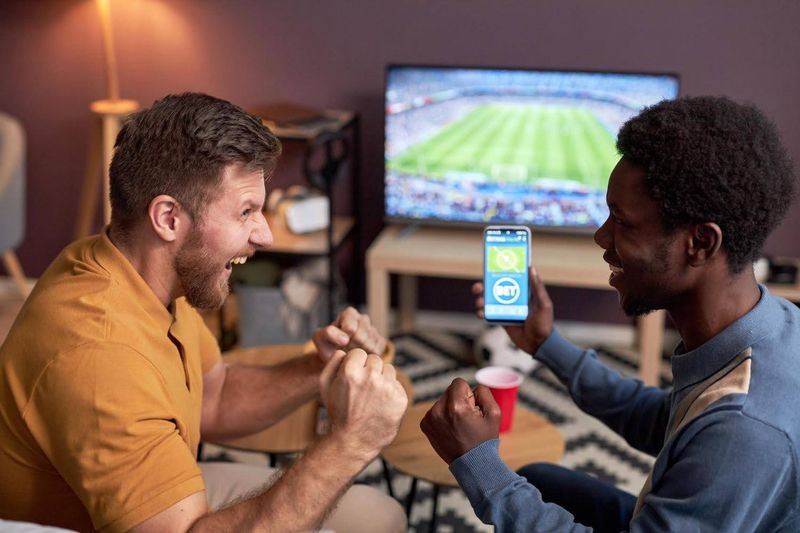
Today’s football fans are digital natives. They stream matches, follow stats apps, join fantasy leagues, and debate tactics online. Their engagement doesn’t stop at the final whistle. It continues across platforms and conversations.
Within that broader digital culture, fans encounter many forms of entertainment. Some play football video games, some join prediction leagues, and some explore classic games like roulette out of curiosity. For most, these are occasional diversions, not central hobbies.
What matters is proportion. Football remains the main event; everything else is peripheral.
Strategy vs Chance
One key difference should be clear: football rewards preparation and skill over time. Clubs that plan well and develop talent consistently outperform those that rely on luck. Over a season, quality usually rises to the top.
Roulette doesn’t work that way. It is built on randomness. There is no training regimen that guarantees results. That contrast actually highlights what makes football special. In sport, effort compounds. In games of chance, outcomes reset each round.
For fans, recognizing this difference helps keep perspective. Enjoy the drama of uncertainty, but understand where skill truly matters.
Lessons from the Overlap
Comparing football and roulette isn’t about equating them. It’s about noticing shared human experiences:
- Anticipation
- Emotional swings
- Hope in uncertain moments
- The thrill of possibility
These feelings draw people to sport and games alike. They reflect how humans engage with risk and reward in many areas of life.
Football channels these emotions into competition, teamwork, and community. Roulette channels them into quick, contained moments of chance. Both tap into the same psychological wiring, just in different arenas.
Keeping the Game in Focus
For readers of a football-focused platform, the takeaway is simple: unpredictability is part of the sport’s magic. It keeps leagues exciting and tournaments unforgettable. It fuels debates and memories.
Digital-age entertainment will always evolve around the sport, apps, games, fantasy leagues, and more. Some fans will explore various side interests. That’s part of modern media culture.
But at the heart of it all remains the beautiful game: 22 players, one ball, and a global audience waiting to see how the next “spin” unfolds.
Because whether it’s a curling free kick or a dramatic stoppage-time goal, football, like life, always leaves room for surprise. And that’s exactly why we keep watching.